Aruba Sunscreen Rules: The Oxybenzone Ban Explained
Aruba has banned sunscreen containing oxybenzone. If you are packing for a trip, here is what the rule covers, what the sources do not say, and what to put in your bag.
What the law says
The Parliament of Aruba passed the ban on November 19, 2019, according to VisitAruba. It covers single-use plastics and oxybenzone. A law firm summary puts the effective date at July 1, 2020. VisitAruba says that from that point, the import, sale, and production of single-use plastics or oxybenzone would be penalized.
Does it apply to tourists?
The sources we reviewed describe penalties for importing, selling, and producing these products. None of them say what happens if a visitor has a tube of oxybenzone sunscreen in a suitcase. We are not going to guess. The simple answer is to buy a product without it. Aruba's code of conduct asks visitors to use coral-friendly sunblock as much as possible, and the tourism office recommends mineral sunscreen.
Why the rule exists
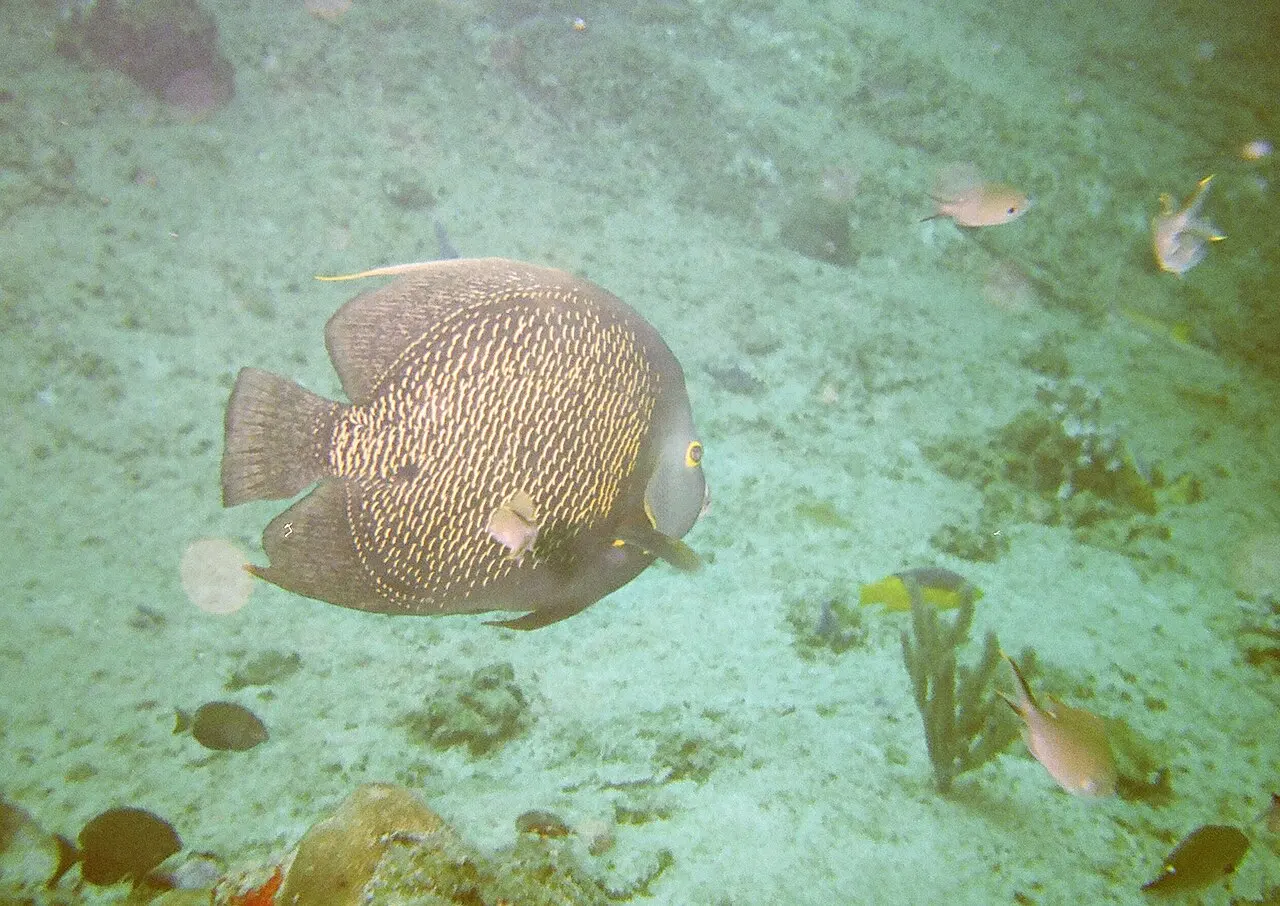
VisitAruba says oxybenzone contributes to coral reef deterioration. That matters here because the best swimming and snorkeling on the island is close to shore. At Arashi and along Malmok, you are in the water right next to coral and the fish that live around it.
How to read the label
- Turn the bottle over and read the active ingredients.
- Look for oxybenzone. It is sometimes listed as benzophenone-3.
- Do not rely on the words "reef safe" on the front. That phrase is a marketing term and may not mean what you assume.
- Mineral sunscreens use zinc oxide or titanium dioxide as active ingredients.
What to look for
- Broad-spectrum protection against both UVA and UVB
- SPF 30 or higher, which is VisitAruba's recommendation
- A formula that is water resistant, if you plan to swim
- A fresh tube. The CDC says to check the expiration date, and heat shortens shelf life
Buying it on the island
VisitAruba lists Aruba Aloe and Arubalife Organics as local providers of reef-safe sunscreen. If you would rather not fly with liquids, you can pick some up when you arrive. Buy it before you head to the beach, because you do not want to be hunting for sunscreen at the north end with the sun already up.
How to apply it
Apply a thick layer before you go outside. Reapply after about 2 hours, and after swimming, sweating, or toweling off. VisitAruba says to reapply even if the label says waterproof. Applying it a bit before you get in the water also gives it time to set, and it means less of it washes straight off.
Skip the spray in the wind
Aruba's trade winds blow almost constantly. Spray sunscreen drifts away with the breeze, onto your neighbors and into the air, and you may not get an even coat. A lotion or stick takes longer but goes where you put it.
Sunscreen plus shade
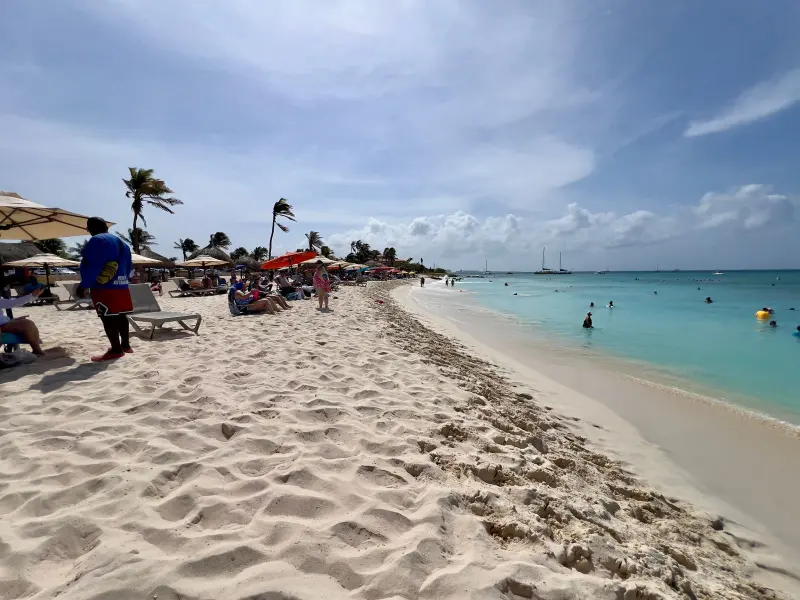
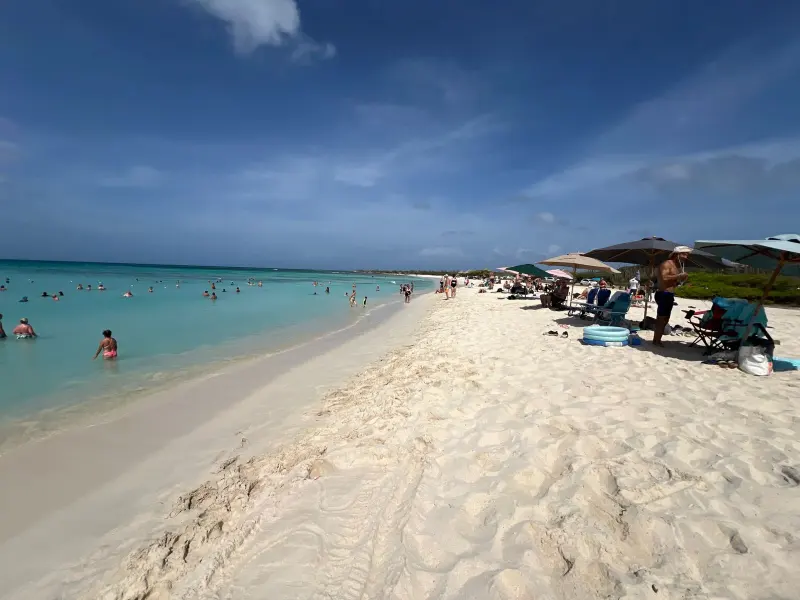
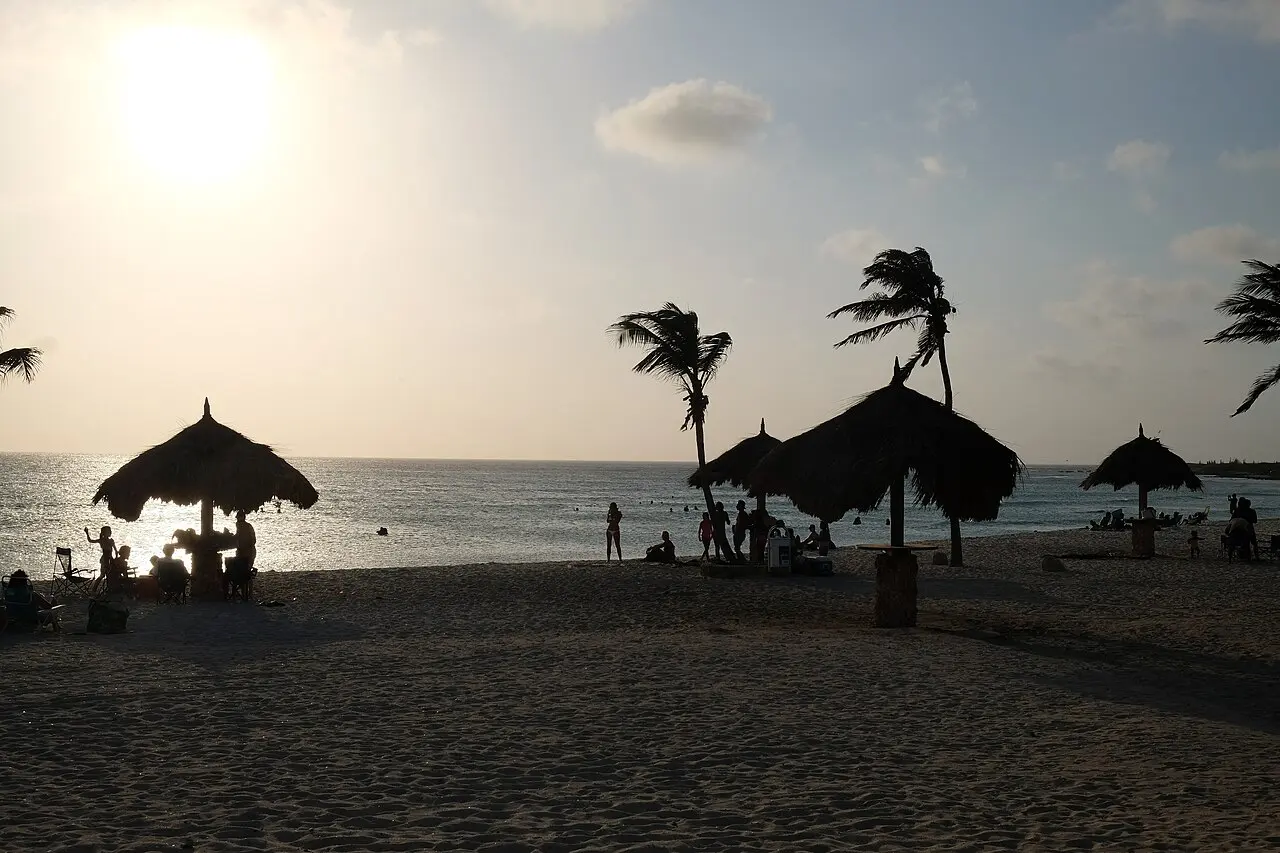
Sunscreen works better when you are not depending on it for eight hours straight. Take breaks in real shade during the middle of the day. Our set at Arashi is one big umbrella and two beach chairs, set up and anchored before you arrive, and held under your name from 9:00 AM to 5:00 PM. It costs $120.00 per set per day, all in. Before you snorkel, see our Arashi snorkeling guide.
Book your set at least 24 hours ahead. You will get confirmation right away with a map.
Source: VisitAruba: Plastics and Oxybenzone Ban, HBN Law and Tax: Oxybenzone Ban, Aruba Code of Conduct, Aruba.com: Is Aruba Safe, VisitAruba: Tanning Advice, CDC: Sun Safety, VisitAruba: Weather by Month. Conditions change, so check on the day.
 Book your set: $120 a day